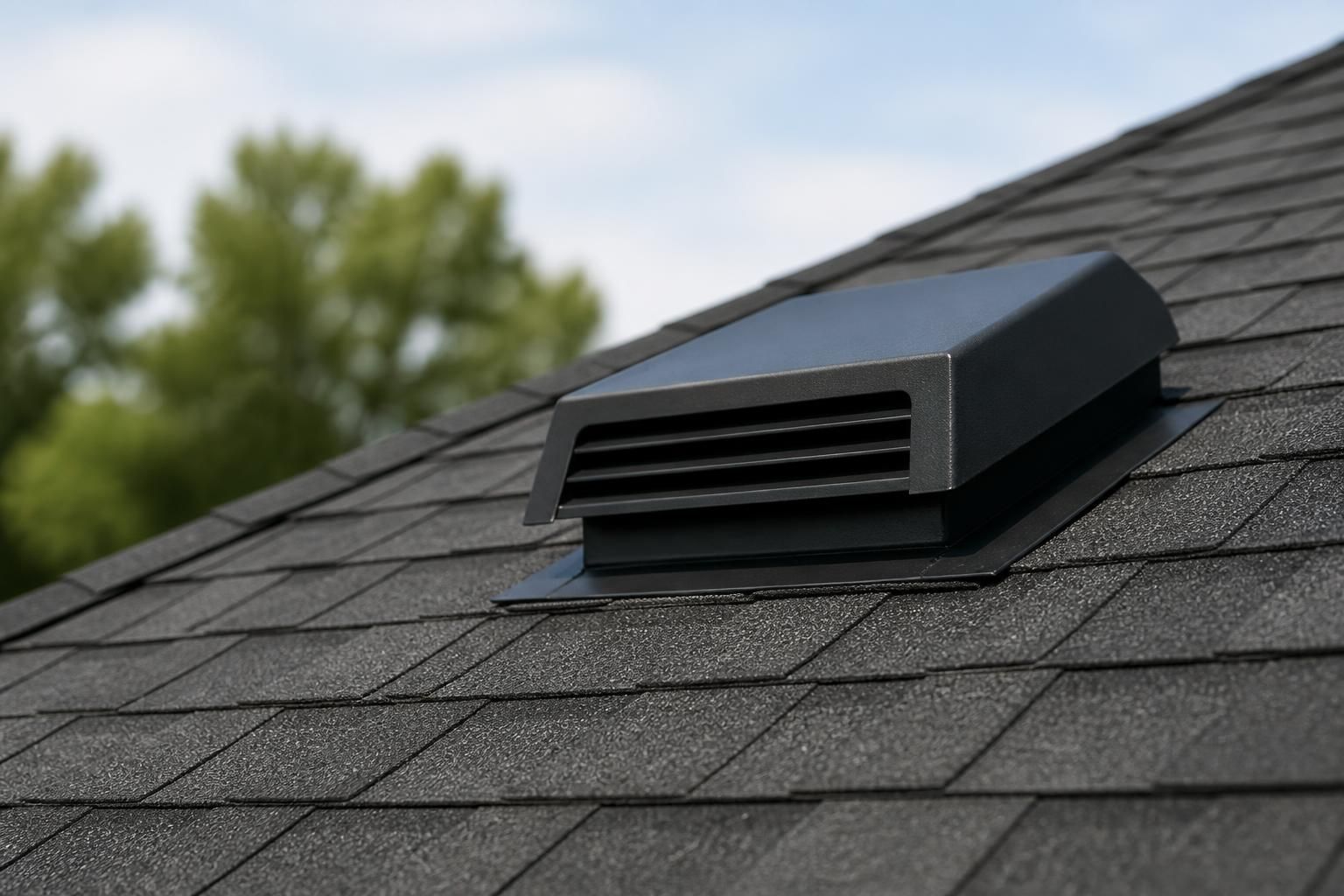
If your attic feels unusually hot, rooms upstairs never cool down, or you notice moisture collecting near the roofline, the ventilation system may need attention. Poor airflow can leave your roof working harder than it should, and over time that can affect comfort, materials, and the life of the roof itself.
Affordable Roof Replacement In Bend provides roof ventilation installation for homeowners across Bend, Oregon who want a smarter roofing system that manages heat and moisture more effectively. We look at the roof as a complete system, then recommend the ventilation setup that fits the structure, the materials, and the conditions your home faces.
Roof ventilation problems do not always show up as one obvious failure. More often, homeowners notice a pattern of smaller signs that point to trapped heat or moisture under the roof deck. Those warning signs can be easy to ignore at first, but they often grow more noticeable with time.
When we inspect a roof for ventilation installation, we look for clues that tell us whether the attic is moving enough air. Sometimes the issue is too little intake. Other times the exhaust side is not set up to release air effectively. The goal is to restore balanced airflow so the roof structure can manage temperature and moisture more reliably.
Before any roof ventilation installation begins, we evaluate how the roof is built and how air is moving through the attic. That review helps us avoid guesswork and recommend a setup that matches the roof, not a generic solution.
We look at the size, shape, and access points of the attic to understand how air can move through the space.
We check whether intake and exhaust features are present, blocked, undersized, or mismatched.
We review the roof deck, flashing, and surface materials to make sure ventilation work supports the larger roofing system.
We look for signs that warm indoor air is lingering where it should not, including staining, dampness, or visible condensation.
At Affordable Roof Replacement In Bend, this assessment helps us determine whether a repair to existing components is enough or whether a new ventilation installation will create a better long-term result for the home.
Different roofs need different airflow strategies. The right choice depends on the roof structure, the attic design, and how the current system is performing. During a roof replacement or as a standalone project, we can install ventilation components that support stronger airflow across the entire roof assembly.
We match the ventilation style to the roof design so the system works as a whole. Good ventilation is not just about adding openings. It is about creating a balanced path for air movement that supports the roof over time.
Homeowners often want to know what happens once the project starts. Roof ventilation installation is a careful process, and the details matter. We keep the work organized so the roof remains protected while the new ventilation components are added.
We confirm the roof layout, select the ventilation approach, and identify any related roof components that need attention.
We prepare the work area so the roof surface and surrounding property are treated with care.
When needed, we remove outdated or ineffective components and make room for the new ventilation pieces.
We install the selected ventilation materials and integrate them with the roof system.
We address penetrations, flashing, and related points so the new work supports the roof without creating weak spots.
We inspect the finished installation and confirm that the ventilation layout matches the roof design and the project plan.
Roof ventilation installation is often the right time to make lasting improvements, especially when a full roof replacement is already underway. That is because many ventilation components tie directly into the roof surface, underlayment, flashing, and deck condition.
When Affordable Roof Replacement In Bend handles ventilation work as part of a replacement project, we can coordinate the new airflow system with the rest of the roof assembly. That approach helps avoid patchwork fixes and gives the homeowner one connected roofing system instead of separate pieces working against each other.
We also check whether decking repair, flashing replacement, underlayment installation, or waterproofing details should be addressed at the same time. When those elements are aligned, the roof is better prepared to handle daily temperature changes and moisture movement.
A roof does more than keep weather outside. It also manages what happens beneath the surface, especially in the attic. When air movement is limited, heat can build up and moisture can remain trapped longer than it should. That combination can place stress on roofing materials and the structure below them.
Homeowners often notice the comfort difference first. A house that traps attic heat can feel harder to cool. Over time, the roof itself may show signs of uneven aging, and insulation or framing can be affected by lingering dampness. Good ventilation helps reduce that strain by giving warm, moist air a path out while allowing fresh air to enter where it belongs.
In Bend, Oregon, that balance matters. Homes here need roof systems that handle changing temperatures and seasonal conditions without placing unnecessary burden on the materials. A well-planned ventilation setup supports that goal.
Homeowners often want clear communication and a straightforward process. That is how we approach each roof ventilation installation project. We explain what we see, what we recommend, and what the work will involve before moving ahead.
Because ventilation affects the roof as a system, we pay attention to how each component interacts with the others. That helps keep the project focused on long-term roof performance rather than a quick visual fix.
Affordable Roof Replacement In Bend serves homeowners in Bend, Oregon and nearby communities such as Redmond, Prineville, Madras, La Pine, Sisters, Sunriver, Terrebonne, Deschutes River Woods, Three Rivers, Black Butte Ranch, Tumalo, and Crooked River Ranch. If your home is showing signs of attic heat buildup or moisture trouble, a ventilation review can be a practical next step.
We work with homeowners who need a ventilation adjustment during a roof replacement and with those who want a focused ventilation installation on its own. Either way, the goal is the same: give your roof a cleaner path for airflow and a better chance at long-term durability.
Start with the signs you can feel and see. If the attic stays hot, upstairs rooms feel harder to cool, or you notice condensation or a stale odor, the airflow may not be balanced. A roof inspection can show whether intake and exhaust are working together.
Yes, many older roofs can be improved with new ventilation components. The exact approach depends on the roof structure, the attic access, and the condition of the existing materials.
Absolutely. A roof replacement is a strong time to address airflow because ventilation can be tied into the new roofing system from the start. That makes it easier to align the roof surface, underlayment, flashing, and airflow plan.
It often does. Better airflow can reduce trapped heat and help the attic feel less stagnant. That can also make upper living areas more comfortable.
Roof ventilation installation may involve intake points near the lower roof edge, exhaust points near the upper roof area, and related roof details such as flashing and sealing around penetrations.
Most of the preparation is handled by the roofing crew. It helps to clear access around the home and share any concerns you have noticed, such as heat, moisture, or roof wear. That gives us a clearer picture of what the roof needs.
Get Started
Tell us about your roof, the signs of wear you have noticed, and your goals for the project. We will help you understand the replacement options that make sense for your home and budget.