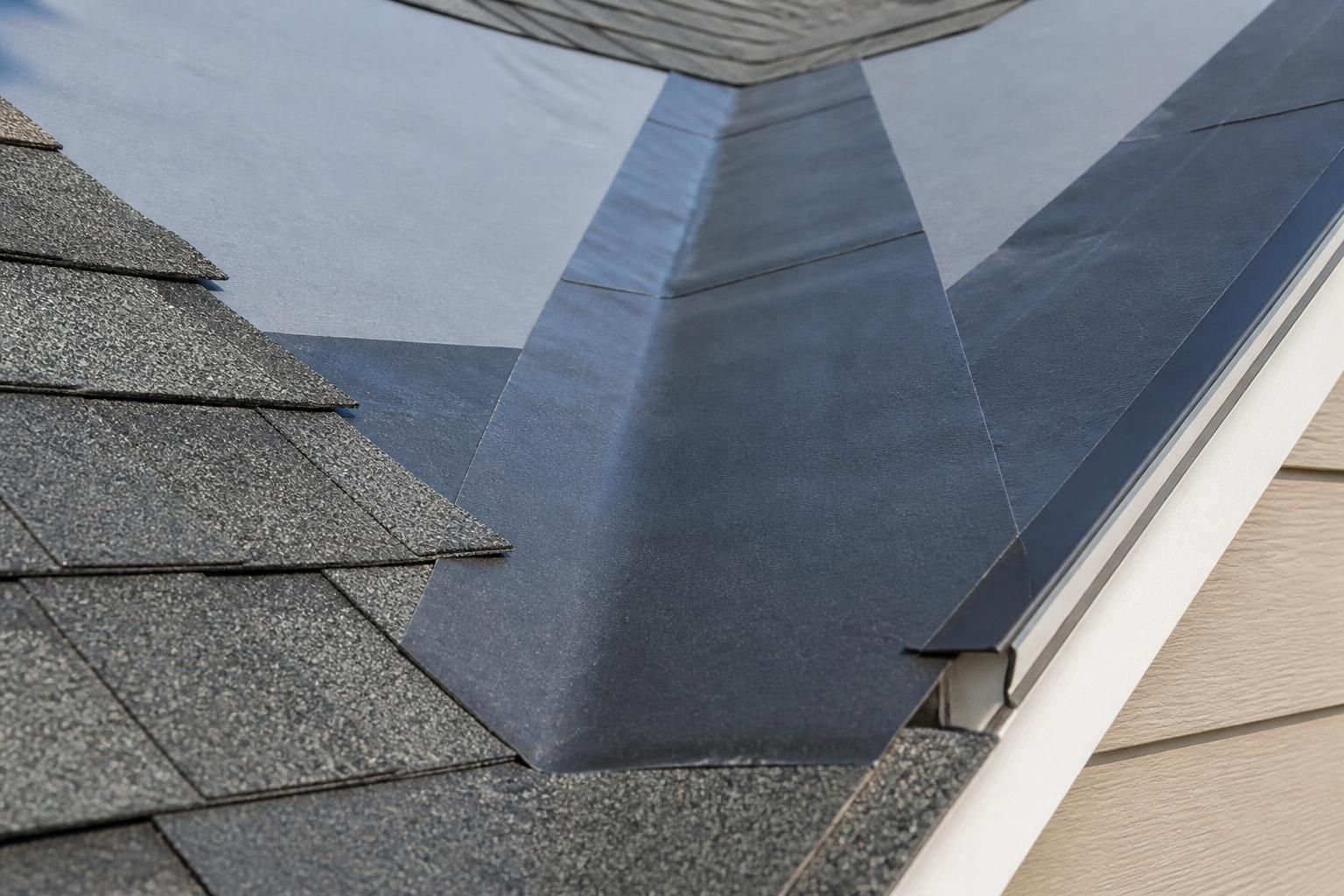
Water staining on ceilings, damp attic insulation, or shingles that never seem to dry out are signs your roof may need more than surface repairs. When water finds a weak point around valleys, edges, penetrations, or transitions, it can work its way under roofing materials and damage the layers beneath them.
Affordable Roof Replacement In Bend provides ice & water shield / waterproofing services for Bend, Oregon homeowners who want stronger protection where roofs are most exposed. We look at the full roofing assembly, then install protection where moisture has the greatest chance of getting through.
Not every roof leak starts with a missing shingle. Many begin at details that look small from the ground but take the most weather stress over time. Ice & water shield / waterproofing helps reinforce those vulnerable areas before moisture reaches the deck or interior finishes.
In Bend, Oregon, these details deserve close attention during a roof replacement because a small gap in a critical spot can undo the performance of the whole roof system.
Ice & water shield / waterproofing adds a self-sealing barrier beneath the outer roofing material. When installed at key areas, it helps block moisture that may move under shingles during wind-driven rain, melting snow, or backed-up runoff.
This underlayer does more than sit under the roof covering. It supports the roofing system where sealants, flashing, and mechanical fasteners are under the most pressure. For homeowners who want a longer-lasting replacement, that added layer can make a meaningful difference.
We focus waterproofing where the roof is most likely to be tested. That often includes valleys, eaves, rakes, wall intersections, chimney areas, vent openings, and other penetrations. The goal is not blanket coverage for every surface, but targeted reinforcement where water is most likely to move.
When moisture sneaks below the outer roofing layer, it can damage decking, insulation, and interior finishes. A well-planned waterproofing layer helps reduce the chance of that hidden movement and supports the rest of the roof assembly.
Before any waterproofing work begins, we look at the roof’s age, slope, surface condition, and vulnerable details. That lets us recommend coverage that fits the structure instead of using a one-size-fits-all approach.
This process helps keep the work focused on the parts of the roof that matter most, rather than adding material where it will not offer much benefit.
Ice & water shield / waterproofing is only as effective as the way it is placed. That is why we pay close attention to surface prep, alignment, and overlap before the outer roofing material goes on.
We begin by making sure the deck area is ready for the waterproofing layer. Any loose debris, old material, or uneven sections can affect how the shield sits and seals. A clean, smooth base gives the underlayment a better chance to perform as intended.
Each section must be laid with careful alignment so seams and edges create a continuous barrier. Overlap matters because it helps water stay above the protective layer rather than slipping beneath it at a joint.
Roof penetrations and transition points need close attention. Pipes, vents, edges, and valleys all require thoughtful sealing so the waterproofing layer supports the surrounding materials instead of leaving small gaps behind.
Waterproofing works as part of the full roofing system, not as a stand-alone fix. The material choice and placement need to match the roof design, the other underlayment layers, and the roof covering being installed.
At Affordable Roof Replacement In Bend, we coordinate ice & water shield / waterproofing with related replacement work such as underlayment installation, flashing replacement, drip edge installation, and roof ventilation installation. That combination helps the roof shed moisture more effectively from the start.
When these parts work together, the roof is better prepared for the moisture exposure common to a replacement project.
Some roofs show clear warning signs that extra waterproofing should be added during replacement. Others reveal the need through age, layout, or prior repairs that leave sensitive areas exposed.
Those signs do not always mean the entire roof needs a complete rebuild, but they do mean the vulnerable sections deserve stronger attention during replacement.
Many homeowners want to know how waterproofing fits into a roof replacement and what it can do for a home over time. The answers usually come down to placement, roof design, and the condition of the existing structure.
We explain where the shield belongs, why certain areas need more reinforcement, and how it supports the rest of the roofing layers. That way you understand what is being added and why it matters before the new roof is finished.
Bend, Oregon homes can benefit from careful moisture protection because roof performance depends on more than the outer surface. The hidden layers matter just as much.
It is commonly installed at valleys, eaves, edges, penetrations, and other roof details that face concentrated water exposure. The exact placement depends on the roof structure and the replacement plan.
No. Waterproofing and flashing work together. The shield adds a sealed barrier beneath the roofing material, while flashing protects intersections and transitions above that layer.
It is not a universal solution for every section of every roof. Its value comes from thoughtful placement on areas where water movement is most likely to create trouble.
It helps shield the deck, underlayment layers, insulation, and interior finishes from moisture that may slip past the outer covering.
Roof shape affects how water moves. Valleys, slopes, and transitions can concentrate runoff or slow drainage, which is why those areas often need extra protection.
Yes. Roof replacement is one of the best times to add or improve ice & water shield / waterproofing because the surface layers are already being removed and the underlying structure is exposed.
If your roof has signs of leakage, aging flashing, or vulnerable transitions, ice & water shield / waterproofing may be the layer that helps protect the rest of the system. Affordable Roof Replacement In Bend can assess the roof and recommend a practical waterproofing plan for your home in Bend, Oregon.
Reach out by phone at +15416954854 or email randy@agentboomer.com to talk through your roof replacement needs and the right protection for your home.
Get Started
Tell us about your roof, the signs of wear you have noticed, and your goals for the project. We will help you understand the replacement options that make sense for your home and budget.