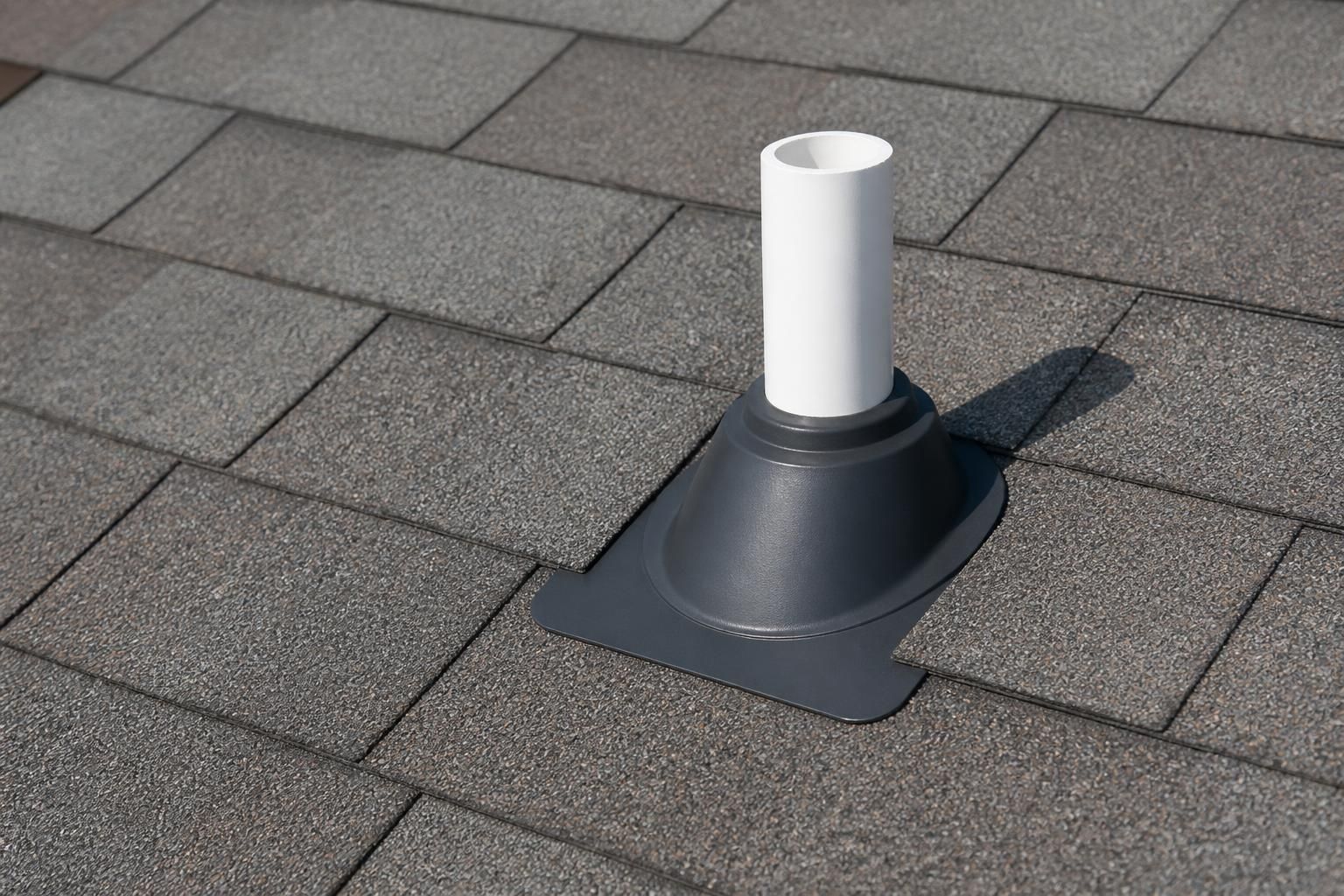
Water spots on the ceiling, damp insulation, or a musty smell after a storm can point to a failing pipe boot or another roof penetration that needs attention. When the seal around a vent pipe, flue, or roof opening breaks down, water can track under the roofing and show up far from the actual source.
Affordable Roof Replacement In Bend helps homeowners in Bend, Oregon address those vulnerable spots before small leaks turn into wider roof damage. If you have noticed cracked rubber, loose flashing, or staining near a vent stack, we can inspect the penetration, identify what is failing, and restore a tighter seal with a replacement or repair that fits the roof system.
Roof penetrations are necessary, but they also create openings that must be sealed with care. Every pipe boot, vent, and roof penetration relies on a tight connection to keep water out while allowing the roof to move with temperature changes and seasonal weather shifts.
When a seal starts to wear out, the damage is not always obvious from the ground. A homeowner may notice one or more of these signs before a leak becomes obvious:
These details matter because a failing penetration often allows slow water entry first. That moisture can spread into roofing layers, decking, and insulation before it becomes visible inside the home.
At Affordable Roof Replacement In Bend, we look closely at the penetration itself and the roofing materials surrounding it. The goal is not to cover a problem and move on. It is to determine whether the boot, flashing, sealant, or nearby roofing materials need replacement or sealing work.
We review the condition of each penetration and pay attention to the details that affect long-term protection:
That inspection helps us recommend the right repair path. Some penetrations need a fresh seal, while others need a full replacement of the pipe boot or related components.
Penetration sealing is about building a durable barrier around the point where something passes through the roof. The materials must match the shape of the opening and work with the roof surface, flashing, and underlayment so water is directed away from the vulnerable area.
Pipe boots are the flexible coverings used around plumbing vent pipes. Over time, the rubber can dry out, crack, or separate from the pipe. Once that happens, rain can enter through the opening and follow the pipe chase or roof layers into the home.
Not every roof opening uses a pipe boot, but many still need sealing at the point where they break through the roof surface. We handle flashing replacement, waterproofing details, and sealing at penetration points so the roof sheds water instead of trapping it at the opening.
Sealing work is especially important where materials meet at different angles or where the roof has repeated movement from heat and weather changes. Those transitions are common places for gaps to develop.
Not every worn boot needs the same fix. The condition of the roofing around it matters just as much as the boot itself. We look at the full area before choosing the next step.
This approach helps avoid short-term patches that miss the real cause. If the surrounding roof area is worn, a new boot alone may not solve the leak.
Homeowners often want to know what happens once the roof is opened up for this type of work. Our process is straightforward and focused on the affected area so the repair stays efficient and targeted.
This kind of work is often small compared to a full roof replacement, but it still needs careful handling. A weak seal at one penetration can shorten the life of adjacent roofing materials.
Small openings around roof penetrations can create bigger repair needs when they are ignored. Water intrusion can affect more than the visible surface. It may reach decking, underlayment, attic insulation, and interior finishes if the leak continues long enough.
Addressing the issue early can help protect the rest of the roofing system and reduce the chance of interior staining. It can also support the performance of a newer roof by keeping vulnerable details sealed where they should be.
For homeowners in Bend, Oregon, this service is especially useful when a roof is otherwise in decent shape but has one or two weak points around vents or pipe openings. A targeted repair can extend useful life without calling for a larger project than necessary.
If you are unsure whether a penetration needs attention, start with a visual check from inside the home or in the attic if accessible. A few warning signs can help you decide whether to schedule an inspection.
If you notice any of these, it is worth having the area evaluated sooner rather than later. Penetrations are small openings, but they can create a wide path for water once the seal breaks down.
Cracks, splits, shrinkage, and loose edges are common signs. Interior staining or attic moisture near the pipe can also point to a failed boot.
Yes. A vent pipe opening is a common source of roof leakage when the boot, flashing, or seal around it starts to wear out.
No. Different openings may require different flashing, boots, or sealing details depending on the roof material and the type of penetration.
Yes. Water that enters at one opening can spread into surrounding roofing layers and cause damage beyond the visible spot.
We inspect the affected penetration, remove failed material if needed, replace or reseal the area, and clean up the work site when finished.
It is better to have the area checked while the sign is still minor. Small stains can point to an active leak that has not spread far enough to be obvious yet.
If you suspect a worn pipe boot or another roof penetration is letting water through, Affordable Roof Replacement In Bend can take a close look and recommend the right fix for your roof. We serve Bend, Oregon and nearby communities with penetration sealing work that focuses on the actual source of the problem.
Reach out at randy@agentboomer.com or call +15416954854 to schedule service. The sooner the opening is sealed, the easier it is to protect the rest of the roof from avoidable damage.

Get Started
Tell us about your roof, the signs of wear you have noticed, and your goals for the project. We will help you understand the replacement options that make sense for your home and budget.