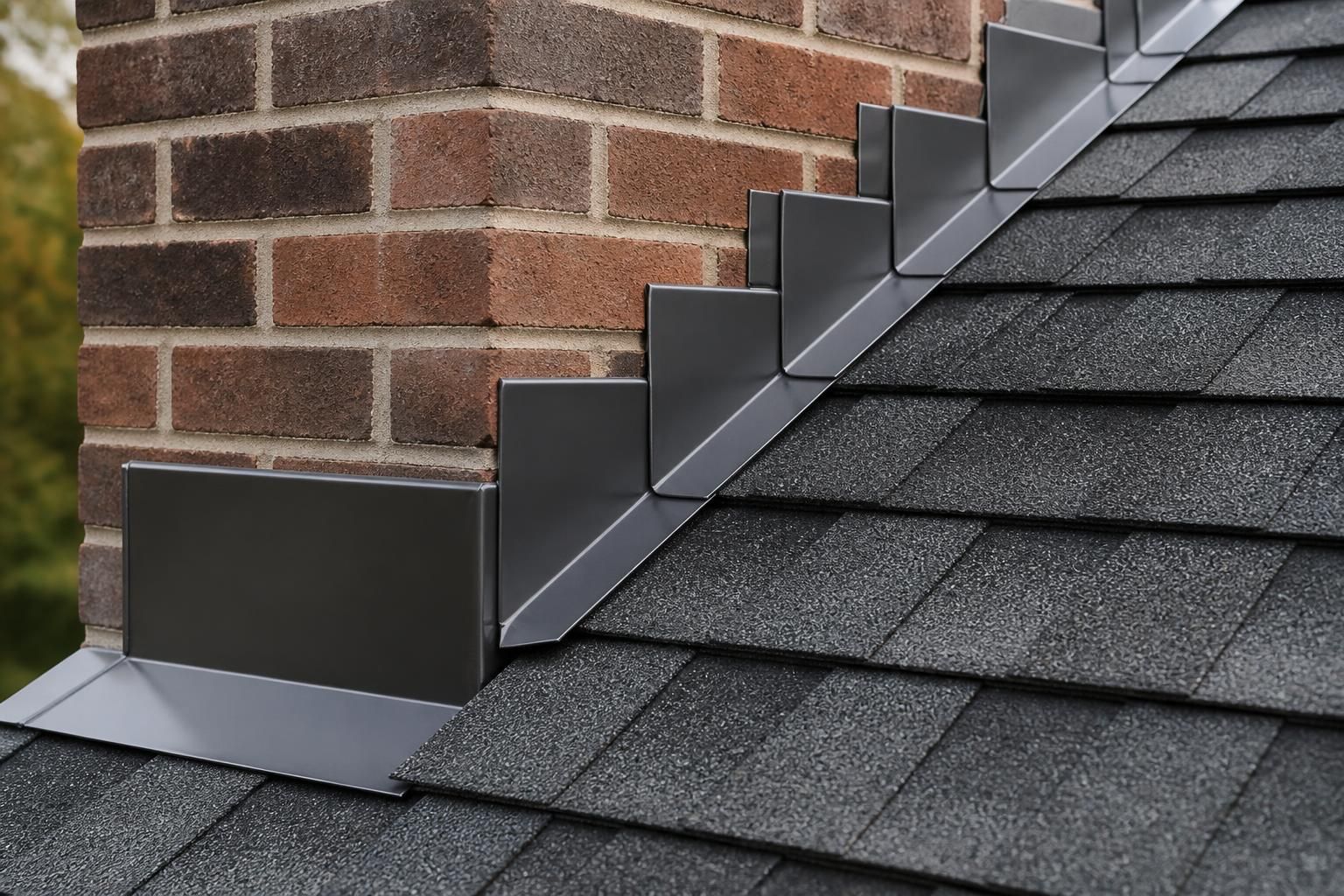
Water stains around a chimney, damp edges near a valley, or lifted metal along a roofline usually point to flashing trouble. When that thin layer of protection starts to loosen, crack, or separate, rain and snowmelt can find their way into places you never expected.
For homeowners seeking flashing replacement in Bend, Oregon, the next step is a careful inspection and a repair plan that matches the condition of the roof. Affordable Roof Replacement In Bend replaces worn flashing around chimneys, walls, vents, valleys, and other roof transitions so your roof can shed water the way it should.
Flashing is the metal or waterproof transition material that seals the spots where different roof surfaces meet. Those are the areas most likely to let water through when the seal breaks down. The trouble often starts small, then spreads quietly over time.
Homeowners often notice one or more of these warning signs:
If those signs are showing up, replacing the flashing can stop water from reaching the roof deck and the layers below it. Waiting usually makes the repair larger, since repeated moisture exposure can wear down surrounding materials too.
Flashing replacement is never just one fixed pattern. The right repair depends on where the leak risk sits and what condition the surrounding roof materials are already in. We look at the full transition area before removing damaged parts and installing new components.
These are the roof sections we most often address during flashing replacement:
Affordable Roof Replacement In Bend evaluates how each piece ties into the rest of the roofing system. If the issue is isolated, we replace the damaged flashing and restore the surrounding assembly. If adjacent shingles, underlayment, or decking have also been affected, those areas are addressed as part of the repair plan.
A good flashing replacement starts with finding the real source of the problem, not just the visible stain inside the home. Water can travel along roof layers before it appears indoors, so the leak point is often different from the place you first notice damage.
We examine the trouble area, nearby roof surfaces, and any visible signs of wear around penetrations, joints, and edges.
Damaged flashing and any compromised nearby materials are removed carefully so the roof structure can be assessed.
If the roof deck shows softness, splitting, or decay, we repair it before new flashing goes in place.
New flashing is fitted, fastened, and sealed to match the roof layout and drainage path.
We reinstall surrounding roofing materials, confirm clean tie-ins, and clear away debris from the work area.
That sequence matters because a flashing repair is only as strong as the surfaces it connects to. Careful prep creates a longer-lasting result and helps prevent the same area from opening back up.
Flashing replacement is about more than swapping old metal for new. It has to fit the roof geometry, the pitch, and the surrounding materials. A piece that is too short, too thin, or poorly shaped can leave gaps that collect water.
We pay close attention to the details that affect performance:
In Bend, Oregon, roof transitions need to hold up through strong seasonal changes and repeated moisture exposure. A tight fit and a clean installation help the repair stand up to those conditions without adding unnecessary bulk or stress to nearby materials.
Some flashing problems can be patched, but patching is not always the sound choice. Replacement makes more sense when the metal is corroded, warped, badly bent, or no longer tied cleanly into the roof system. It also makes sense when a leak has returned after earlier sealing work.
Replacement is often the better route when:
At Affordable Roof Replacement In Bend, we explain what we find and what that means for the roof section around it. That makes it easier to decide whether a targeted replacement will solve the problem or whether the surrounding materials also need attention.
Once new flashing is installed, the surrounding roof area should be inspected again to confirm the repair is sealed into the full system. This includes checking how the water will shed across the repaired section and making sure there are no gaps where debris or moisture can settle.
A finished flashing replacement should leave the roof looking tidy and the repair area tightly integrated with the rest of the surface. We also clean up scraps, old fasteners, and debris so the site is left orderly when the work is complete.
After a repair, homeowners can keep an eye on a few things during the next rainfall:
If any of those signs appear, the area should be looked at again before small wear turns into larger damage.
Homes across Bend, Oregon face roof wear from daily exposure to sun, wind, cold, and changing moisture conditions. Flashing takes a lot of that stress because it sits at the most vulnerable points of the roof. When that metal or sealing layer weakens, the opening is small but the consequences can spread quickly.
That is why flashing replacement is such a practical roofing service for local homeowners. It focuses on the exact spots where water is most likely to get through, instead of disturbing the entire roof when only a limited section needs attention.
Whether the problem shows up around a chimney, a wall, a vent, or a valley, we aim to restore a clean water-shedding path and protect the surrounding roof materials from further wear.
Flashing can fail from age, repeated movement, rust, poor sealing, or damage to nearby roofing materials. Once the connection weakens, water can slip into the transition area.
Stains near roof edges, chimneys, vents, or wall intersections are common clues. A roof inspection helps trace the path of water back to the likely source.
Sometimes a minor seal issue can be corrected, but replacement is usually the better choice when the metal is bent, rusted, or no longer seated well.
Chimneys, valleys, vents, skylight edges, and wall intersections are the most common places where flashing needs attention because they collect and redirect water.
Often, yes. Flashing usually ties under or alongside surrounding roofing materials, so nearby shingles may need to be lifted or removed for a clean repair.
That depends on the location, the amount of surrounding damage, and how much roof material must be reopened before the new flashing is set.
If you have seen staining, lifted metal, or moisture near a roof transition, flashing replacement may be the next practical step. Affordable Roof Replacement In Bend serves homeowners throughout Bend and nearby communities with focused roof repair work that protects the areas most likely to leak.
To schedule an inspection or ask questions about your roof, contact us at randy@agentboomer.com or call +15416954854. We are available every day to help homeowners move from uncertainty to a clear repair plan.
Get Started
Tell us about your roof, the signs of wear you have noticed, and your goals for the project. We will help you understand the replacement options that make sense for your home and budget.